
Your destination
Silifke, Turkey
Silifke: Where ancient ruins meet Mediterranean bliss.
- Best months
- May–Nov
Planning a trip to Silifke
Why go
Silifke: Where ancient ruins meet Mediterranean bliss.
Weather by month
Best months: May–Nov
- Jan10°
- Feb11°
- Mar13°
- Apr18°
- May21°
- Jun25°
- Jul27°
- Aug28°
- Sep26°
- Oct22°Current month
- Nov18°
- Dec12°
Best months are the ones averaging 18–28°C.
Cheap flights to Silifke
Places to stay in Silifke
Compare options and check current prices and availability.
We may earn a commission when you book through these links, at no extra cost to you.
Finding available stays...
Images & Videos of Silifke
About Silifke
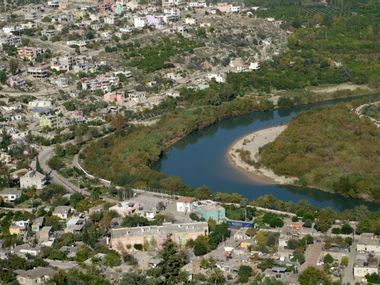
Nestled on the banks of the Göksu River and just a short drive from the Mediterranean coast, Silifke is a charming blend of natural beauty, ancient history, and authentic Turkish hospitality. The town’s historic core is dotted with Roman ruins, Byzantine churches, and Ottoman-era stone houses, while the surrounding countryside offers lush valleys, dramatic cliffs, and fertile orchards that produce some of the region’s finest fruits. Visitors can wander through the well‑preserved Silifke Castle, explore the ancient ruins of the Temple of Zeus at the nearby ancient city of Seleucia, and stroll along the picturesque river promenade that comes alive with cafés and local artisans.
Beyond its archaeological treasures, Silifke is a gateway to outdoor adventure. The Göksu Delta, a protected wetland and bird‑watching haven, attracts nature lovers from around the world, and the nearby Taşucu harbor provides easy access to pristine beaches and boat trips to the secluded coves of the Turkish Riviera. The town’s vibrant weekly market showcases the region’s agricultural bounty—fresh figs, apricots, olives, and the famous Silifke pomegranate—while traditional tavernas serve up hearty dishes flavored with locally sourced herbs and spices. With its relaxed pace, warm climate, and a perfect mix of culture, history, and nature, Silifke offers a truly immersive Turkish experience away from the usual tourist crowds.
Silifke FAQ
What is the best time to visit Silifke?
The ideal periods are spring (April to June) and early autumn (September to October). During these months the weather is mild—perfect for exploring archaeological sites, hiking in the Göksu Valley, and enjoying the coastal beaches—while the summer heat and peak tourist crowds are still absent. Spring also brings a burst of wildflowers and fruit harvests, adding extra color and flavor to the local markets.
What are the must-see attractions in Silifke?
Key highlights include the medieval Silifke Castle perched above the river, the ancient Temple of Zeus at Seleucia (just outside town), the Göksu Delta National Park for birdwatching and boat tours, the historic St. Peter’s Church (a Byzantine gem), and the bustling weekly market in the town center. Nearby Taşucu offers a charming harbor and easy access to the sandy beaches of the Mediterranean coast.
What is the local cuisine like in Silifke?
Silifke’s cuisine reflects its agricultural richness and coastal location. Expect fresh seafood dishes such as grilled sea bream and mussels cooked with lemon and local herbs, as well as hearty meat stews like "kuzu tandır" (slow‑cooked lamb). The region is famed for its fruit‑based specialties—pomegranate molasses drizzled over salads, apricot jam, and fig desserts. Don't miss "çörek" (sweet pastries) and the locally produced olive oil, which flavors everything from mezze plates to grilled vegetables.