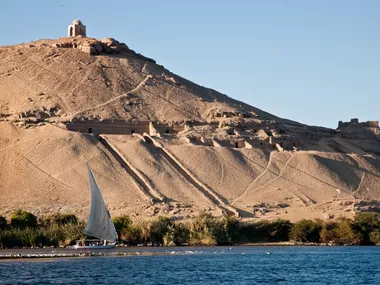
Your destination
Abu Simbel, Egypt
Abu Simbel: The Ultimate Temple Experience
- Budget
- Moderate · roughly €60–€120 a day
What Abu Simbel is known for
Planning a trip to Abu Simbel
Why go
Abu Simbel: The Ultimate Temple Experience
What it costs
Moderate
Indicative daily spend: €60–€120
A rough band for a bed, food and getting around — an estimate, not a quote.
Mid-range rooms and eating out most days.
Cheap flights to Abu Simbel
Places to stay in Abu Simbel
Compare options and check current prices and availability.
We may earn a commission when you book through these links, at no extra cost to you.
Finding available stays...
Tours and activities in Abu Simbel
Explore bookable experiences from our travel partners.
We may earn a commission when you book through these links, at no extra cost to you.
5.0
View experience
Private Abu Simbel Tour from Aswan
From $103.13
Price and availability may change.
5.0/5
5.0
View experience
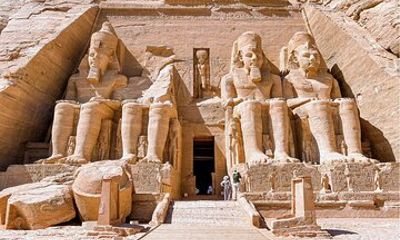
Abu Simbel Temple Skip-the-line Entry Ticket with Audio
From $20.88
Price and availability may change.
5.0/5
5.0
View experience
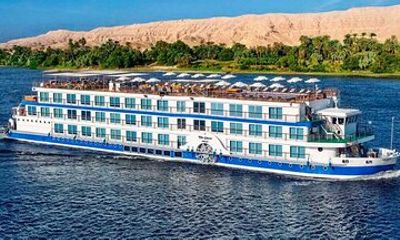
5 Days Nile cruise from luxor to Aswan
From $653.68
Price and availability may change.
5.0/5
View experience
4 Day Nile Cruise Aswan to Luxor with Cairo Round Trip Flights
From $870.51
Price and availability may change.
5.0
View experience
3 Night 5 Star Nile Cruise Aswan to Luxor Abu Simbel and Balloon
From $443.26
Price and availability may change.
5.0/5
View experience
5-Day Egypt Highlights: Cairo, Nile Cruise & Balloon by Flights
From $569.83
Price and availability may change.
View experience
Abu Simbel Temple Entry Ticket
From $22.17
Price and availability may change.
5.0
View experience
Aswan Abu Simble Private Tour Experience
From $46.14
Price and availability may change.
5.0/5
Images & Videos of Abu Simbel
About Abu Simbel
Abu Simbel is an archaeological site comprising two massive rock temples in southern Egypt. These temples were originally carved out of the mountainside during the reign of Pharaoh Ramesses II in the 13th century BC, as a monument to himself and his queen Nefertari, to commemorate his victory at the Battle of Kadesh. The complex was relocated in its entirety in the 1960s, on an artificial hill made from a dome structure, high above the Aswan High Dam reservoir, to save them from being submerged by the rising waters of Lake Nasser.
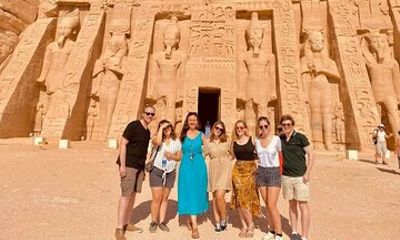
The Great Temple, dedicated to Ramesses II and the gods Ra-Horakhty, Amun, and Ptah, features four colossal statues of the pharaoh at its entrance. The smaller temple, dedicated to Queen Nefertari, is a testament to her importance and status. The interiors of both temples are adorned with intricate carvings and hieroglyphs depicting scenes of battle, religious rituals, and the pharaoh's power. The alignment of the Great Temple is particularly noteworthy, as twice a year, the sun's rays penetrate the inner sanctuary, illuminating the statues of the gods and Ramesses II.
Visiting Abu Simbel is a journey back in time, offering a unique glimpse into ancient Egyptian artistry, engineering, and religious beliefs. The sheer scale and grandeur of the temples, combined with their historical significance, make Abu Simbel a must-see destination for anyone interested in ancient history and culture.
Abu Simbel FAQ
How do I get to Abu Simbel?
The most common way to reach Abu Simbel is by air or road from Aswan. Flights are available from Aswan Airport (ASW), and the journey takes approximately 30 minutes. Alternatively, you can take a bus or hire a taxi, which takes about 3 hours. Many tourists also opt for guided tours that include transportation.
What is the best time to visit Abu Simbel?
The best time to visit Abu Simbel is during the early morning or late afternoon to avoid the midday heat. The sun alignment phenomenon, where sunlight illuminates the inner sanctuary, occurs twice a year, around February 22nd and October 22nd. However, the temples are open year-round.
Are there any photography restrictions at Abu Simbel?
Photography is generally allowed inside the temples, but flash photography is usually prohibited to protect the ancient artwork. Tripods may also be restricted. It's advisable to check the current regulations at the site or with your tour operator before taking photographs.